The Importance of Regular Tree Maintenance
Trees are more than just beautiful additions to our landscapes. They provide shade, improve air quality, increase property value, and support local wildlife. However, to keep trees healthy and safe, regular tree maintenance is essential. Neglecting this care can lead to problems such as disease, structural weakness, and even hazards to people and property. This article explores why regular tree maintenance matters, how it benefits your environment, and practical tips to keep your trees thriving.
Why Tree Maintenance Matters
Proper tree maintenance is crucial for several reasons. First, it promotes the health and longevity of trees. Trees that are regularly cared for are less likely to suffer from diseases or pest infestations. Maintenance activities like watering, mulching, and fertilizing provide the necessary nutrients and conditions for growth.
Second, tree maintenance enhances safety. Overgrown or damaged branches can fall unexpectedly, posing risks to people, vehicles, and buildings. Regular inspections and care help identify weak limbs or structural issues before they become dangerous.
Third, well-maintained trees improve the aesthetic appeal of your property. Pruned and healthy trees create a pleasing landscape that can increase property value and provide a welcoming environment.
Finally, tree maintenance supports the environment. Healthy trees absorb more carbon dioxide, produce oxygen, and provide habitats for birds and insects. By caring for your trees, you contribute to a greener, healthier ecosystem.

Essential Tree Maintenance Practices
Maintaining trees involves several key practices that ensure their health and safety. Here are some of the most important:
Regular Inspections
Check your trees periodically for signs of disease, pest damage, or structural problems. Look for dead branches, cracks in the trunk, or unusual leaf discoloration.
Watering
Trees need adequate water, especially during dry spells. Deep watering encourages roots to grow deeper, making the tree more resilient.
Mulching
Applying mulch around the base of the tree helps retain moisture, regulate soil temperature, and reduce weed growth. Keep mulch a few inches away from the trunk to prevent rot.
Fertilizing
Use appropriate fertilizers to provide essential nutrients. Avoid over-fertilizing, which can harm the tree.
Tree Trimming and Pruning
Removing dead or overgrown branches improves tree structure and health. This practice also prevents branches from interfering with power lines or buildings.
Pest and Disease Management
Early detection and treatment of pests or diseases can save a tree from serious damage.
By following these steps, you can ensure your trees remain strong and vibrant for years to come.
What is the difference between tree trimming and tree pruning?
Understanding the difference between tree trimming and tree pruning is important for effective tree maintenance.
Tree Trimming generally refers to the removal of overgrown or unwanted branches to improve the tree's shape and appearance. It is often done to keep trees tidy and prevent branches from obstructing views, pathways, or structures.
Tree Pruning is a more precise and strategic process. It involves selectively removing specific branches to improve the tree's health, encourage growth, and remove damaged or diseased limbs. Pruning helps maintain the tree’s natural form and promotes better air circulation and sunlight penetration.
Both trimming and pruning are essential, but pruning is more focused on the tree’s long-term health, while trimming is often about aesthetics and safety.
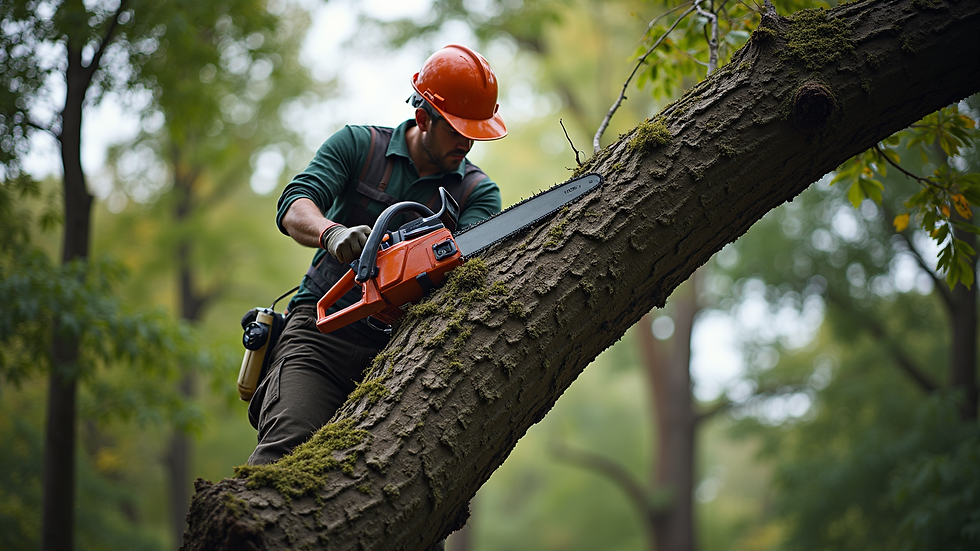
For professional assistance, consider tree trimming and pruning services to ensure the job is done correctly and safely.

Benefits of Hiring Professional Tree Maintenance Services
While some tree maintenance tasks can be done by homeowners, many require professional expertise. Hiring certified arborists or tree care companies offers several advantages:
Safety: Professionals have the right equipment and training to handle large trees and hazardous situations safely.
Expertise: They can accurately diagnose tree health issues and recommend appropriate treatments.
Proper Techniques: Professionals use industry-approved methods to trim and prune trees, minimizing damage and promoting healthy growth.
Time and Effort: Tree maintenance can be labor-intensive. Hiring experts saves you time and physical strain.
Long-Term Savings: Proper care reduces the risk of costly tree removal or property damage in the future.
When selecting a service, look for companies with good reviews, certifications, and insurance coverage.
Tips for Maintaining Trees Year-Round
Tree care is not a one-time task but a year-round commitment. Here are some seasonal tips to keep your trees healthy:
Spring: Inspect for winter damage, remove dead branches, and apply fertilizer to support new growth.
Summer: Water deeply during dry periods and monitor for pests or diseases.
Fall: Rake fallen leaves to prevent fungal diseases and prepare trees for winter by mulching.
Winter: Protect young trees from frost damage and avoid heavy pruning, which can stress trees during dormancy.
Regular monitoring and timely care help trees withstand seasonal challenges and thrive in your landscape.
Enhancing Your Landscape with Healthy Trees
Healthy trees are a valuable asset to any property. They provide shade that reduces cooling costs, improve air quality, and create a peaceful environment. By investing in regular tree maintenance, you ensure these benefits continue for years.
Whether you have a single tree or a large grove, consistent care is key. Use the tips and information provided here to develop a maintenance routine. And when in doubt, seek professional help to keep your trees safe and beautiful.
Taking care of your trees is an investment in your property’s future and the environment. Start today and enjoy the many rewards that come with healthy, well-maintained trees.


Comments